Understanding Ketosis, Ketonuria, and Ketoacidosis: What Pregnant Women Need to Know
Pregnancy is a time of immense joy and anticipation, but it also comes with its share of challenges and concerns, especially when it comes to managing health issues like Hyperemesis Gravidarum (HG) and gestational diabetes. Among the various terms that may come up in discussions about these conditions, three often cause confusion: ketosis, ketonuria, and ketoacidosis. Understanding the differences between these terms is essential for pregnant women to navigate their health journey effectively.
**Ketosis:**
Ketosis is a metabolic state where the body uses fat for energy instead of carbohydrates. During pregnancy, especially in the first trimester, it’s common for women to experience mild ketosis due to fluctuations in hormone levels and changes in metabolism. When the body doesn’t have enough carbohydrates to burn for energy, it starts breaking down fat stores, producing ketones.
For many pregnant women, mild ketosis is a normal and harmless physiological process. In fact, some women may intentionally induce ketosis through low-carbohydrate diets like the ketogenic diet, which has gained popularity in recent years for its potential health benefits. However, it’s essential to maintain a balanced diet and consult a healthcare provider before making significant dietary changes during pregnancy.
**Ketonuria:**
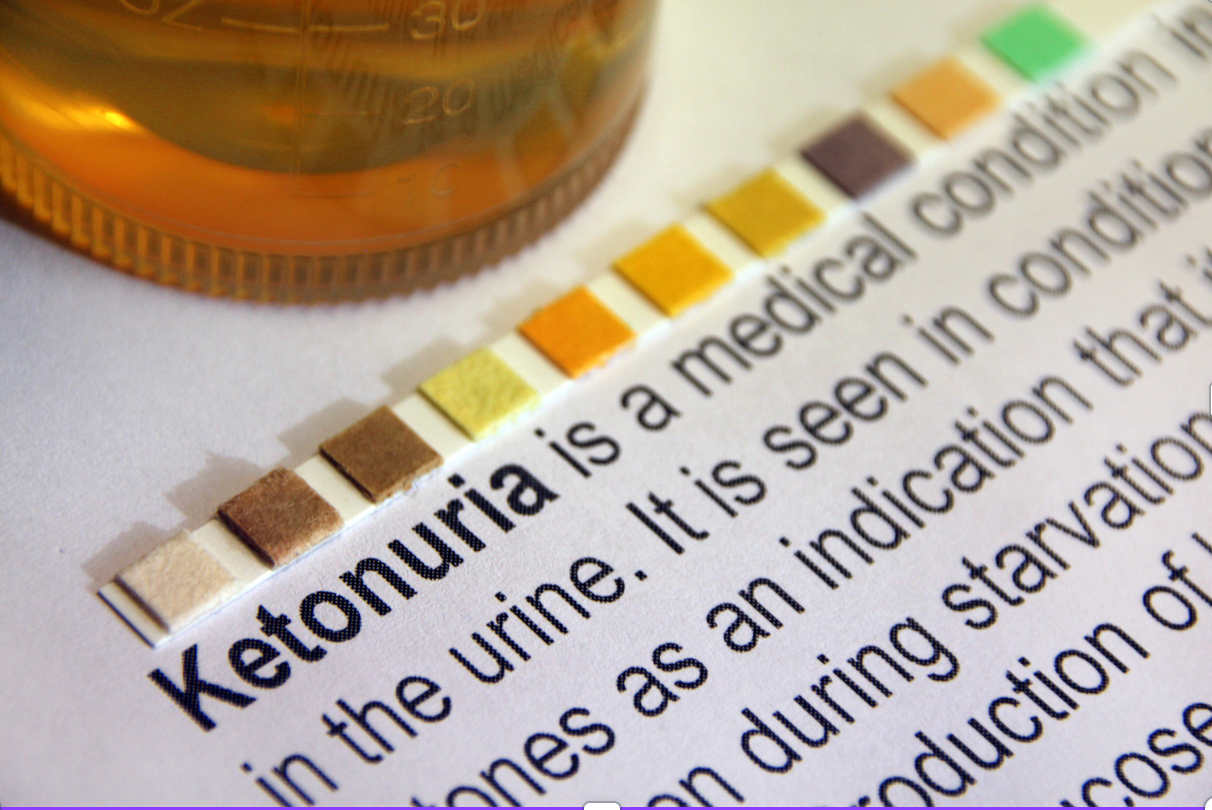
Ketonuria refers to the presence of ketones in the urine. When the body is in ketosis, excess ketones are excreted through urine, leading to a positive ketone test. Ketonuria can occur in pregnant women, particularly those experiencing prolonged fasting, extreme vomiting (as in HG), or following a low-carbohydrate diet.
While ketonuria itself is not necessarily harmful, especially in the context of mild ketosis during pregnancy, persistent or severe ketonuria may indicate underlying issues that require medical attention. Pregnant women should monitor their ketone levels regularly, especially if they have conditions like HG or gestational diabetes, under the guidance of their healthcare provider.
**Ketoacidosis:**
Unlike ketosis and ketonuria, ketoacidosis is a serious medical condition characterized by dangerously high levels of ketones and acidity in the blood. It most commonly occurs in individuals with type 1 or type 2 diabetes when insulin levels are insufficient to regulate blood sugar levels effectively. However, in rare cases, ketoacidosis can also occur in pregnant women, particularly those with pre-existing diabetes or gestational diabetes.
The hallmark symptoms of ketoacidosis include excessive thirst, frequent urination, nausea, vomiting, abdominal pain, confusion, and fruity-smelling breath. Ketoacidosis requires immediate medical attention and can be life-threatening if left untreated. Pregnant women with diabetes or gestational diabetes should be vigilant about monitoring their blood sugar levels and ketone levels to prevent the development of ketoacidosis.
**Relevance in Hyperemesis Gravidarum (HG) and Gestational Diabetes:**
Hyperemesis Gravidarum is a severe form of morning sickness characterized by persistent nausea, vomiting, dehydration, and weight loss during pregnancy. Women with HG may experience prolonged fasting and difficulty keeping food down, leading to nutritional deficiencies and ketosis. While mild ketosis is generally considered normal during pregnancy, severe or persistent ketosis in the context of HG can lead to dehydration, electrolyte imbalances, and other complications. Keep in mind that having ketones in the urine is not a diagnosis of HG, not having ketones does not rule out HG. If you are suffering from malnourishment but have a normal ketone test, be sure to look at other markers to determine the best treatment.
Gestational diabetes is a form of diabetes that develops during pregnancy, usually in the second or third trimester. It occurs when the body cannot produce enough insulin to meet the increased demands of pregnancy, leading to high blood sugar levels. Women with gestational diabetes are at increased risk of developing ketoacidosis if their blood sugar levels are not adequately controlled. Monitoring blood sugar levels, following a balanced diet, and managing insulin therapy are essential for preventing complications like ketoacidosis in women with gestational diabetes.
In conclusion, while ketosis, ketonuria, and ketoacidosis are related terms, they have distinct implications for pregnant women, particularly those with conditions like Hyperemesis Gravidarum and gestational diabetes. Understanding the differences between these terms and their relevance to pregnancy is crucial for maintaining maternal and fetal health. Pregnant women should work closely with their healthcare providers to monitor their nutritional status, manage any underlying medical conditions, and ensure a safe and healthy pregnancy journey.